
Letters you can actually read
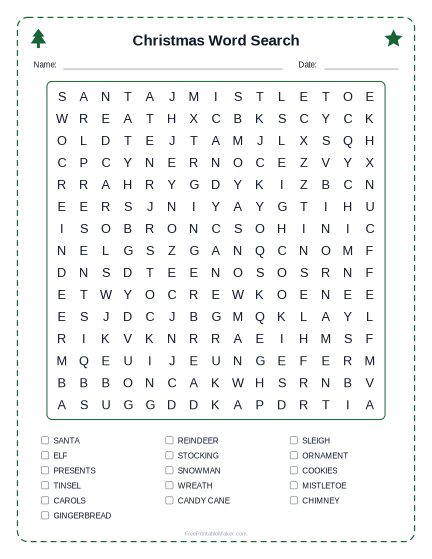
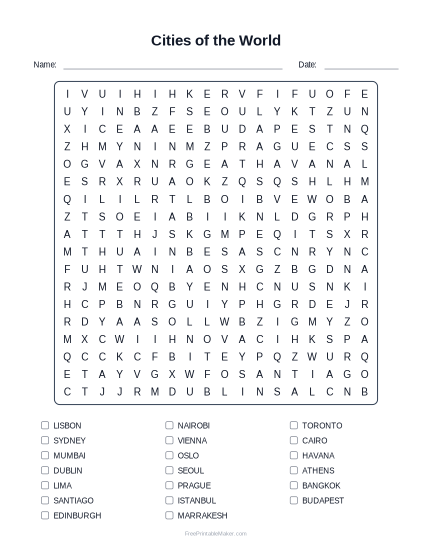
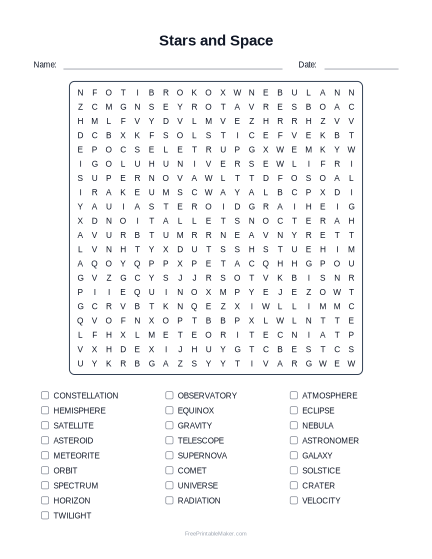
Many puzzle books squeeze the grid into a small space, and that can make for hard work if your eyesight isn't what it was. On this page the grid has only ten rows and ten columns, so each letter gets far more room. The word list prints larger too, with a box beside each word to tick off.
Who it's for
- Older adults who enjoy puzzles and want something comfortable to read.
- Care homes and activity coordinators planning a group session.
- Anyone with low vision, or anyone who likes a puzzle without reaching for glasses.
- Early readers, who also find big letters easier to follow.
Make it personal
Type your own list, one word per line. A puzzle built around a person's home town, grandchildren or favourite hobby often means more than a generic topic, and familiar words can be a good starting point for conversation. Keep words to ten letters or fewer so they fit the grid.
Printing tips
Print on plain white paper for the strongest contrast, and turn off any "toner saver" setting. If your printer offers it, choose a heavier paper so a pen or pencil won't show through. The solution page comes as a second sheet, and you can turn it off in the settings.
To make it easier, keep words across and down only. For more of a challenge, raise the difficulty to add diagonals.